#health

Articles tagged: health

68 articles

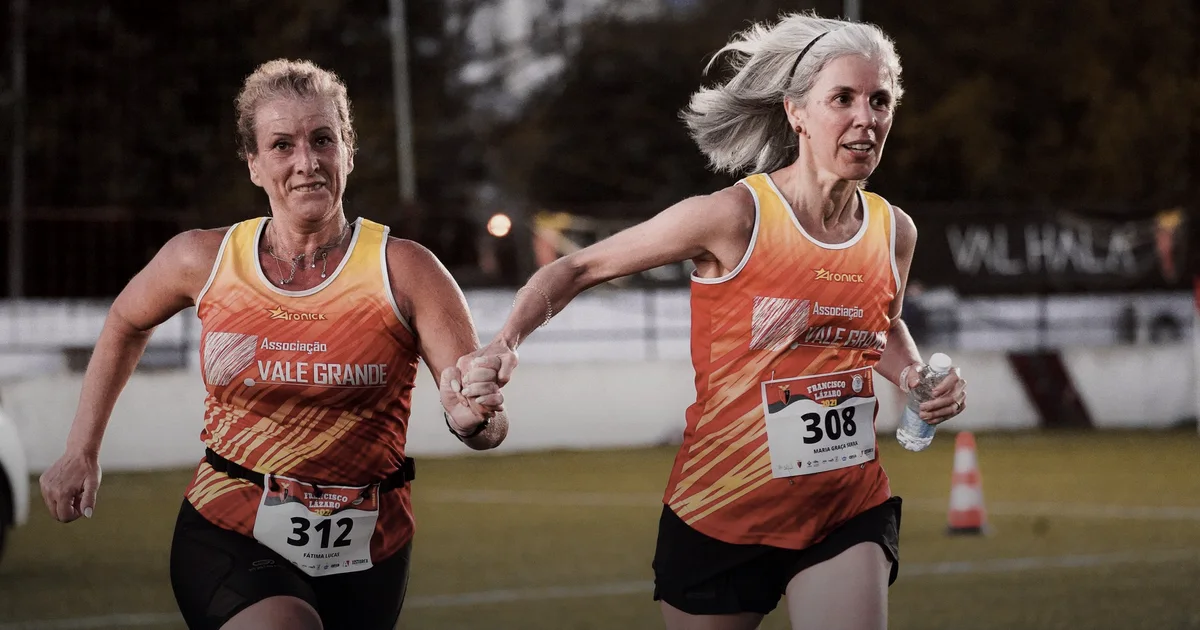
Creatine without training: 1.1 kg more lean mass in 12 weeks in 45–65-year-olds — and how much of it may be water

Creatine without training: 1.1 kg more lean mass in 12 weeks in 45–65-year-olds — and how much of it may be water

In a double-blind RCT from Texas A&M University, 10 grams of creatine a day added about a kilogram of lean mass and a little strength in people aged 45–65, even without training. We look at why the no-training groups had just 13 people each, what DXA counts as “muscle”, how creatine skews the creatinine blood test, and what a masters runner should take from it.

Anna Severova•
Read more →

Runner's knee: 188 marathon runners, the Q-angle and hip exercises that turned out to be no better than standard care

Runner's knee: 188 marathon runners, the Q-angle and hip exercises that turned out to be no better than standard care

Pain under the kneecap is the most common running injury, and the standard answer to it goes like this: “weak glutes, train the hip, the Q-angle will correct itself”. A study published in September 2026 compared exactly such a programme with standard care in 188 marathon runners: over 16 weeks both groups improved, and no difference between them was found. Here is what a runner should take from that.

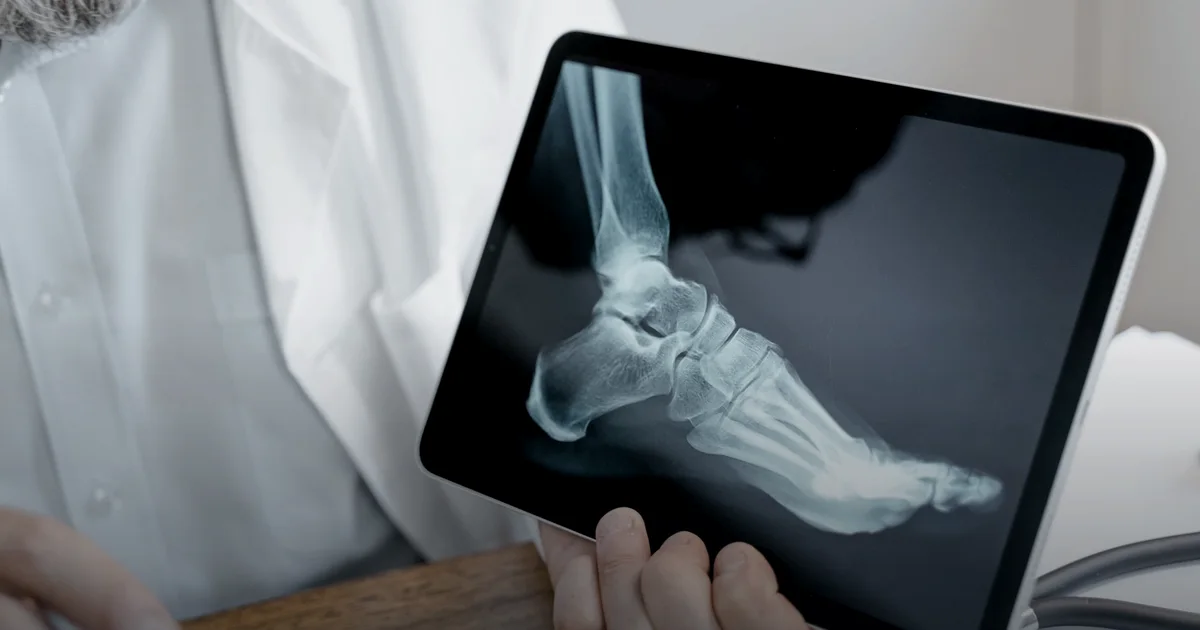
Heel spur and plantar fasciitis: 63 RCTs, 4,170 people and a ranking of the treatments that really take the pain away

Heel spur and plantar fasciitis: 63 RCTs, 4,170 people and a ranking of the treatments that really take the pain away

Heel pain is one of the most searched-for running problems, even though the bony outgrowth behind the popular name turns up in a third of people whose heels never hurt. A 2026 network meta-analysis compared seven treatments for plantar fasciitis not with placebo one by one but with each other — and it turned out that each has its own horizon: one works for the first month, another for a year. Here is where a runner should start.

Olga Marchenko•
Read more →
The runner's high: anandamide rises every 14 kilometres of a marathon, and after 230 kilometres there is no euphoria left

The runner's high: anandamide rises every 14 kilometres of a marathon, and after 230 kilometres there is no euphoria left

A 2026 field study followed the “runner's high” across a whole marathon for the first time: 19 runners gave blood every 14 km, and another 36 ultrarunners before and after races of 100, 160 and 230 km. Anandamide rose all the way, anxiety fell — but after the ultras euphoria did not rise at all. And endorphins, it seems, have nothing to do with any of it.

Anna Severova•
Read more →

SARMs in recreational athletes: a five-year ban for three substances, and only 52% of products that contain what the label says

SARMs in recreational athletes: a five-year ban for three substances, and only 52% of products that contain what the label says

On 11 September 2026 USADA handed a five-year ban to a 49-year-old recreational triathlete: a sample taken at an ordinary city race contained ostarine, ligandrol and exogenous testosterone. A good moment to work out what SARMs are, why nobody has ever shown an effect of theirs on endurance, and how they end up inside people who never deliberately took anything.

Maxim Belyaev•
Read more →
Carnosine: 299 participants, 12 weeks at 2 grams a day and two significant results out of 126 comparisons

Carnosine: 299 participants, 12 weeks at 2 grams a day and two significant results out of 126 comparisons

Carnosine is a dipeptide that buffers acid in muscle; it and beta-alanine are sold as supplements to fight “acid build-up”. The largest RCT to date (JISSN, 2026) found no difference from placebo in any of seven tests across the whole group. An effect surfaced in only two subgroups. We explain why that is weaker than it sounds, and what beta-alanine does that carnosine does not.

Ekaterina Gromova•
Read more →

Body Battery, Recovery, Readiness: 14 “readiness scores” from 10 brands — and not a single published formula

Body Battery, Recovery, Readiness: 14 “readiness scores” from 10 brands — and not a single published formula

In May Google released the Fitbit Air, a screenless band whose headline number is “readiness”. Garmin, WHOOP, Oura, Polar and Coros all have similar indices. A 2025 review found 14 such scores from 10 manufacturers: none disclosed its formula, and only a handful showed validation against a reference standard. Some of the raw data underneath them, however, is measured quite well.

Anna Severova•
Read more →