Iron deficiency in female runners: why your pace fades when hemoglobin looks “normal”
Ferritin is low but hemoglobin is fine — and endurance still drops by 3–4%. Here is what to test, how to eat, and when supplements make sense.
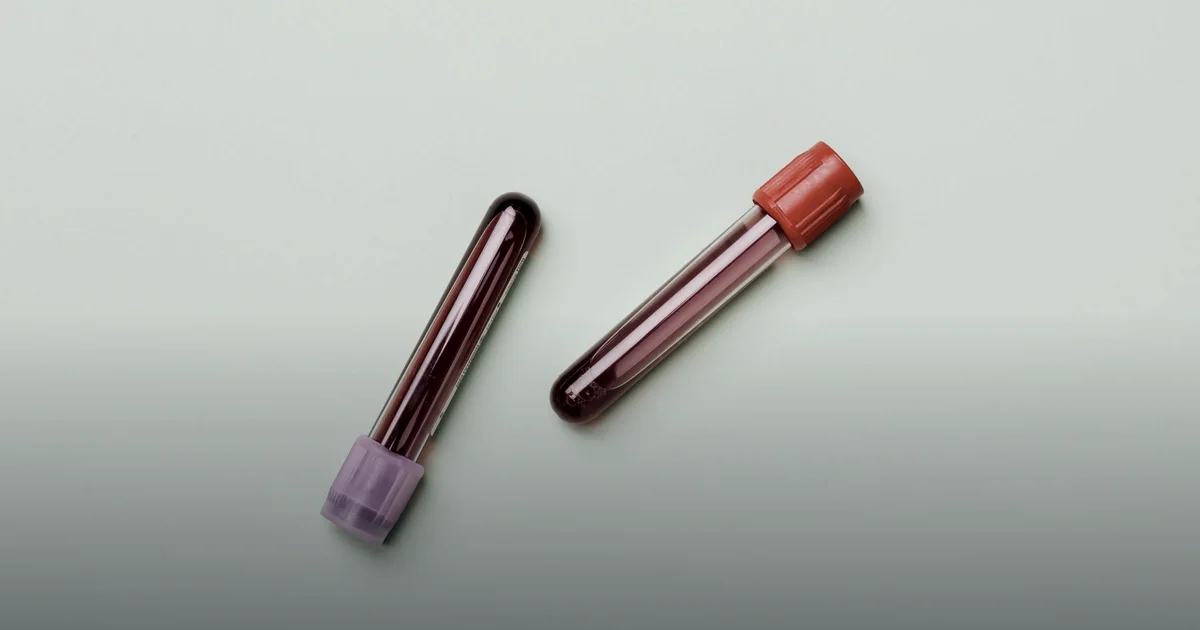
You train regularly, sleep well, and yet halfway through the race your legs turn to lead and your pace treacherously slips away. You see a doctor, they glance at your bloodwork and say: “Your hemoglobin is normal, you are healthy.” Sound familiar? The culprit may be iron that is already depleted in your stores but has not yet dragged hemoglobin down. For endurance this is a distinct and very common problem — especially in women.
What the research shows
In a 2024–2025 systematic review (the Journal of Sport and Health Sciences) the authors pooled the data on iron deficiency in female athletes. The main findings:
- Deficiency is widespread. Up to 60% of female athletes face iron deficiency. In a cross-sectional study of marathon participants (Detroit Free Press Marathon), iron deficiency was found in roughly 48% of women versus 15% of men.
- Anemia may be absent, yet performance already suffers. In iron-deficient athletes without anemia (hemoglobin normal but stores depleted), endurance dropped by 3–4%, and maximal aerobic power could decline.
- Repletion works — if the deficiency is real. Taking about 100 mg of elemental iron per day for up to 56 days improved endurance by 2–20% specifically in iron-deficient women without anemia; maximal oxygen uptake (aerobic power) rose by 6–15%.
- Not the same for everything. The effect on anaerobic power was inconsistent (from −5% to +9%) — iron is primarily about endurance, not sprinting.
Why do runners lose iron more actively in the first place? Several reasons: foot-strike hemolysis (some red blood cells are destroyed as the foot pounds the ground), losses through sweat, microbleeding in the GI tract, and also the hormone hepcidin, which after hard efforts and amid inflammation temporarily blocks iron absorption. In women this is compounded by menstrual losses — hence the gap in the numbers between men and women.
Ferritin: which numbers matter
The key idea: hemoglobin is a late marker. It falls when the stores have long been emptied. The real iron warehouse is reflected by ferritin.
- In the review, deficiency was defined as ferritin <40 ng/ml (µg/l).
- The working threshold for endurance is roughly 35–40 ng/ml; a more comfortable target many sports physicians aim for is 50–70 ng/ml.
- A value of >40–50 ng/ml is usually enough to keep the deficiency from eating into your performance.
What is worth testing: not only hemoglobin, but also ferritin, and — as directed by a doctor — transferrin saturation and C-reactive protein (inflammation and a recent hard workout can falsely inflate ferritin, so it is best tested at rest, not right after a long run).
How to suspect a deficiency: unexplained fatigue, a drop in pace and “heavy legs” despite normal hemoglobin, shortness of breath at familiar loads, worsening recovery.
How to replenish
Food is the foundation. There are two types of iron:
- Heme (better absorbed): red meat, liver, poultry, fish.
- Non-heme (less well absorbed): legumes, tofu, leafy greens, buckwheat, fortified foods.
What helps and what hinders:
- Vitamin C (bell peppers, citrus, kiwi) markedly improves the absorption of non-heme iron — combine them in the same meal.
- Inhibitors — tea, coffee, calcium and dairy — reduce absorption. Space them apart from iron-rich food and supplements by at least an hour or two.
Supplements — only when indicated. Studies used about 100 mg of elemental iron, but prescribing yourself large doses “just in case” is dangerous: excess iron is toxic and risks overload. Practical principles to discuss with a doctor:
- Taking it every other day is often absorbed better than daily (because of that same hepcidin).
- Wash it down with water plus a source of vitamin C, but not tea/coffee and not together with calcium.
- GI side effects are possible.
- After ~8 weeks it makes sense to retest and assess the trend.
Myths. “Tired means low on iron” — not always: fatigue has dozens of causes. “More iron means better performance” — false: in athletes with normal ferritin, supplements give no gain but do raise the risk of overload. “I eat meat, so I can’t be deficient” — in runners, losses can exceed intake.
Limitations
This is a systematic review, not the final truth. Most of the included studies were small (≤20 participants), and overall quality was moderate (about 77%). The improvements apply above all to those whose deficiency was confirmed; with normal stores, no effect should be expected. Individual variation is large.
Important: this is educational material, not a medical recommendation. Any testing, interpretation of ferritin, and especially taking iron supplements — only together with a doctor.
The bottom line
- The problem starts before anemia: low ferritin with normal hemoglobin already reduces endurance by 3–4%.
- Test ferritin, not just hemoglobin; the endurance reference is roughly 35–40 ng/ml, more comfortably 50–70 ng/ml.
- Repletion helps only with a real deficiency: ~100 mg/day for up to 56 days gave +2–20% to endurance in iron-deficient women without anemia.
- Nutrition: heme iron is better absorbed, vitamin C helps, tea/coffee/calcium hinder — space them out in time.
- Supplements — through a doctor: every-other-day dosing is often more effective, and self-prescribing large doses is risky due to iron overload.
Source: Pengelly M, Pumpa K, Pyne DB, Etxebarria N. Iron deficiency, supplementation, and sports performance in female athletes: A systematic review. J Sport Health Sci. 2025;14:101009. https://pubmed.ncbi.nlm.nih.gov/39536912/ (doi:10.1016/j.jshs.2024.101009)