Rhodiola rosea: 26 studies, 668 people and a very modest bump in VO₂max
A 2025 meta-analysis pulled together everything known about golden root in endurance sport. The VO₂max gain is there and surprisingly consistent, the drop in creatine kinase is sizeable — but a fortyfold spread in doses makes it impossible to name a protocol.
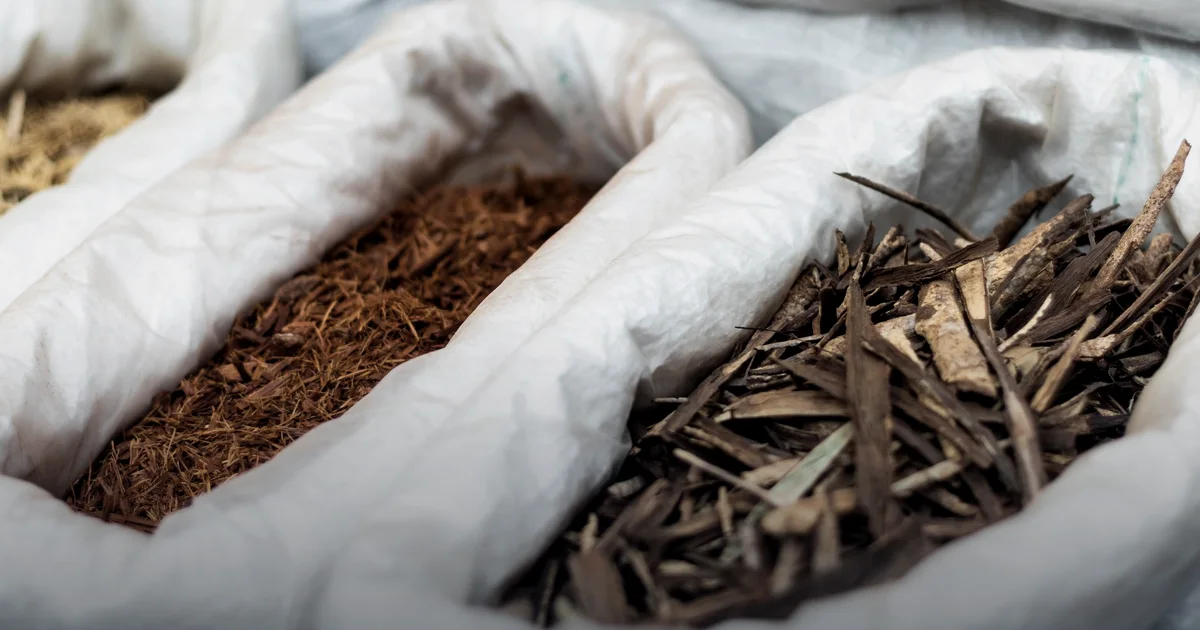
Rhodiola rosea — golden root, arctic root — sits on the pharmacy shelf next to eleuthero and ginseng tincture and is sold as a “remedy for fatigue.” In sports science it is filed under adaptogens, and for the last twenty years it has regularly turned up in small endurance studies. Those studies pulled in different directions: in some, time to exhaustion improved; in others, nothing moved at all.
In 2025 Frontiers in Nutrition published a meta-analysis that brought them together. A good moment to work out what is actually there.
What was pooled
26 randomized controlled trials, 668 healthy participants, mean age 22.0 ± 10.7 years. The average supplementation period was 33 days. Doses ranged from 60 to 2400 mg per day — a fortyfold spread.
The central problem is already visible here: the word “rhodiola” in these papers hides very different things — in the amount of extract, in standardization, in duration.
Performance results
Effects are expressed as standardized mean differences (Hedges' g):
- VO₂max: ES = 0.32 (95% CI 0.12–0.52), p < 0.01, I² = 0% (11 studies)
- Time to exhaustion: ES = 0.38 (0.07–0.69), p < 0.05, I² = 14.5% (7 studies)
- Time trial: ES = −0.40 (−0.78 … −0.01), p < 0.05, I² = 24.8% (5 studies) — the minus sign here means “faster”
All three effects are small. But look at the I² = 0% for VO₂max: heterogeneity is zero, eleven studies landed in agreement with each other. In the supplement literature that is a rarity, and it is a strong argument that the effect, small as it is, is genuine.
A separate finding: doses above 600 mg per day produced a bigger VO₂max gain than smaller ones.
Biomarker results
Here the numbers are larger and the trust in them is smaller:
- Creatine kinase: ES = −0.84 (−1.35 … −0.34), p < 0.01, I² = 83.0%
- Malondialdehyde: ES = −1.21 (−1.87 … −0.55), p < 0.001, I² = 74.7%
- Superoxide dismutase: ES = 1.16 (0.37–1.94), p < 0.01, I² = 81.8%
- Lactate: ES = −0.87 (−1.55 … −0.19), p < 0.05, I² = 77.5%
- Total antioxidant capacity: ES = 0.59 (0.06–1.13), p < 0.05, I² = 59.7%
- IL-6 and C-reactive protein: no significant changes (p = 0.143 and p = 0.166)
The picture that forms is a familiar one: markers of oxidative stress and muscle damage move noticeably, markers of inflammation do not. And with I² sitting around 75–83%, the studies disagree strongly with one another, so the pooled figure describes the scatter more than it describes an effect.
The reduction in creatine kinase was most pronounced in measurements taken within the first 15 minutes after exercise and in trained participants.
How to read this honestly
The effect is small. An ES of 0.32 for VO₂max is noticeably less than caffeine or beetroot juice delivers, and an order of magnitude less than eight weeks of decent training. Rhodiola replaces nothing.
The participants are young. Mean age 22, plenty of students and not especially well-trained people. A prepared runner has less headroom for improvement.
The lactate reduction isn't what it looks like. Less lactate at the same workload can mean better clearance — or simply less effort. Without power data this measure proves nothing on its own.
The authors list the limitations themselves: fewer than ten studies for most outcomes, high heterogeneity that persisted even after subgroup analysis, and some biomarkers that had to be dropped because of incomplete reporting.
And above all, standardization. The classic studies use an extract standardized for rosavins and salidroside (the reference point is about 3% rosavins and 1% salidroside). The alcohol tincture from the pharmacy is not standardized that way, is dosed in drops and is not comparable to a 600 mg capsule of extract.
How to apply this
- Keep your expectations modest. A small gain in VO₂max and time to exhaustion is not a “second wind.”
- If you try it, use an extract standardized for rosavins and salidroside, not a tincture measured in drops.
- A dose from 600 mg per day — in the meta-analysis that was exactly the line separating the protocols that worked from the ones that didn't.
- As a course, not a one-off. The average duration in the studies was about a month.
- The clearest niche is heavy blocks and training camps, where what matters is bringing down muscle damage markers, not a race result.
- Rhodiola is not on the WADA prohibited list, but that doesn't remove the need to check a specific tub for contaminants.
- Don't combine it carelessly with antidepressants or other serotonergic drugs — this calls for a doctor, not a forum.
Key points
- The 2025 meta-analysis: 26 RCTs, 668 participants, average course 33 days, doses 60–2400 mg/day.
- VO₂max: ES = 0.32 (0.12–0.52) — a small effect, but I² = 0%, the studies are in agreement.
- Time to exhaustion: ES = 0.38; time trial: ES = −0.40 (faster). Both effects are small.
- Doses above 600 mg per day worked better than smaller ones.
- Creatine kinase, malondialdehyde and superoxide dismutase shift noticeably, but with I² of 75–83% confidence in those numbers is low.
- Inflammatory markers (IL-6, CRP) did not change.
- Participants were mostly young and non-elite; transfer to well-trained athletes has not been tested.
- A pharmacy tincture and a standardized extract are not the same thing.
Source: “The effect of Rhodiola rosea supplementation on endurance performance and related biomarkers: a systematic review and meta-analysis”, Frontiers in Nutrition, 2025. https://doi.org/10.3389/fnut.2025.1645346