Potassium for Athletes: Requirements, Blood Pressure, and Recovery Without Pills
Potassium is the main intracellular electrolyte — one we think about less often than sodium and magnesium. We break down how much you need, its role in blood pressure and recovery, and why food is almost always better than supplements.
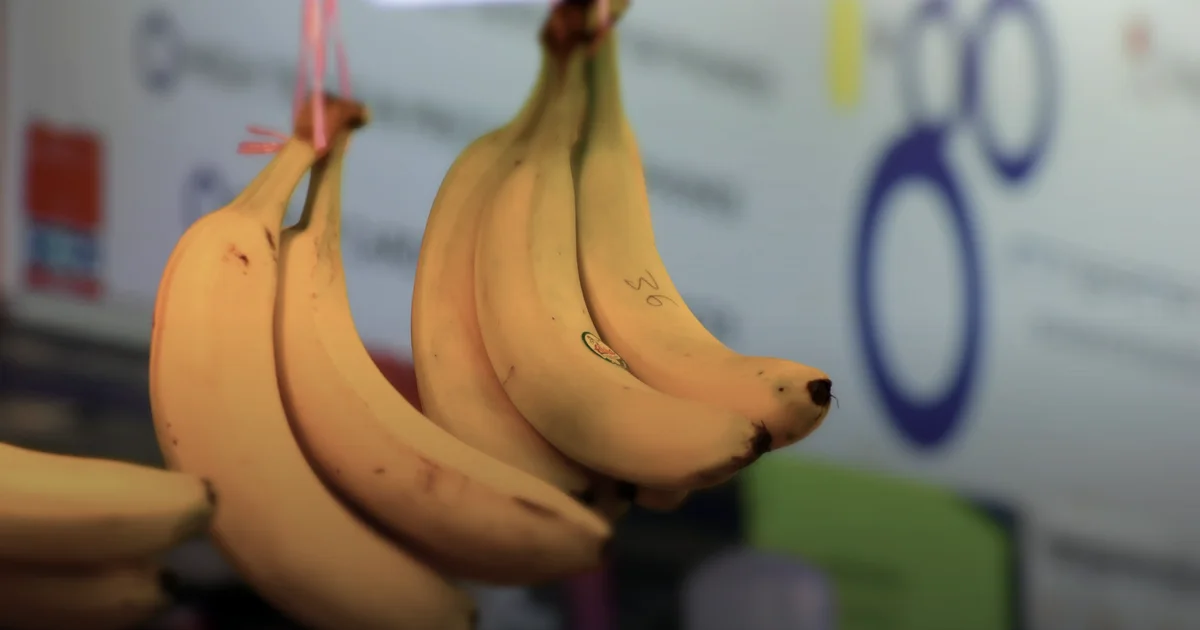
Amateur athletes usually remember two electrolytes: sodium, which "leaves with sweat," and magnesium "for cramps." Potassium stays in the shadows — and that's a mistake. It is the most abundant cation inside cells: it maintains intracellular fluid volume and the electrical gradients across membranes, without which muscles don't contract and the heart doesn't beat steadily. Let's figure out how much potassium you need, how it's linked to blood pressure and recovery — and why a healthy athlete almost never needs pills.
How much potassium you actually need
Adequate Intake (AI) for adults: men — 3400 mg/day, women — 2600 mg/day (2900 during pregnancy, 2800 during lactation). In 2019 the NASEM committee couldn't derive a "hard" requirement (EAR) due to insufficient data, so it relies on the median intake of healthy people.
For product labels a different figure is used — the Daily Value of 4700 mg. And now for reality: according to NHANES, adult men get an average of 3016 mg of potassium per day, women — 2320 mg. Most people fall short, which is why potassium is officially named a nutrient of public health concern.
The good news: about 90% of ingested potassium is absorbed, and balance is disrupted only when intake drops below < 400–800 mg/day. In a healthy person with a normal diet, that's rare.
Potassium and sodium: the duo that rules blood pressure
Potassium is closely tied to sodium — the main regulator of extracellular fluid. Low potassium against a backdrop of excess sodium raises the risk of hypertension and "salt sensitivity." And vice versa: more potassium — blood vessels dilate, the kidneys excrete sodium more actively, plasma volume drops, and blood pressure falls.
A clear example is the DASH diet (emphasizing fruits, vegetables, and low-fat dairy). It contains three times more potassium than the average diet and lowers systolic pressure by an average of 5.5 mmHg, diastolic by 3.0. In observational studies, people with the highest potassium intake (median ~4000 mg/day) had a 15% lower stroke risk than those who ate little (~2000 mg). For an athlete under heavy loads, blood pressure control is no small thing.
Sweat, recovery, and the myth of pills
Very little potassium is lost through sweat — it's excreted mainly in urine. It's practically impossible to "flush out" potassium with a workout.
Yet potassium lives inside muscle cells — the very place where glycogen and its bound water are stored. When muscles restore glycogen after a hard session, potassium enters the cells along with glucose. That's why recovery food rich in both carbohydrates and potassium (potatoes, legumes, fruit, dairy) works on two fronts.
Do you need supplements? Almost never. Multivitamins provide ~80 mg, "potassium" pills — usually up to 99 mg (about 2% of the norm): higher doses have been linked to small-intestine damage. No Tolerable Upper Intake Level (UL) has been established for potassium from food — healthy kidneys simply excrete the excess. Hypokalemia (blood potassium < 3.6 mmol/L) is rare in people with normal kidneys and is usually caused by illness, vomiting/diarrhea, or diuretics; mild signs are fatigue, muscle weakness, constipation.
How to put it into practice
- Build your plate around food, not a banana. Guidelines (mg per serving): dried apricots ½ cup — 755, cooked lentils 1 cup — 731, baked potato — 610, beans 1 cup — 607, orange juice 1 cup — 496, banana — 422, 1% milk — 366, spinach 2 cups — 334, salmon 85 g — 326.
- A recovery meal after long or intense work: potatoes or rice + legumes/yogurt + fruit — that's carbohydrates for glycogen, and potassium at the same time.
- Don't chase "anti-cramp" pills. Cramps in a healthy athlete are rarely about potassium, and pills of up to 99 mg won't make a difference.
- Be careful with "salt substitutes" based on potassium salt: a teaspoon holds 440–2800 mg of potassium. With kidney disease or when taking potassium-sparing diuretics — only after consulting a doctor (risk of hyperkalemia).
The bottom line
- Potassium is the main intracellular electrolyte; the norm (AI) for adults is ~3400 mg/day for men and 2600 mg/day for women, and most people fall short.
- The combination of "low potassium + high sodium" pushes blood pressure up; potassium from food (the DASH model) lowers systolic by ~5.5 mmHg.
- Very little potassium is lost through sweat; the main route of excretion is urine, and healthy kidneys clear the excess on their own (no UL established).
- Potassium and glycogen "live" next to each other in the cell, so carbohydrate-and-potassium food aids recovery.
- The #1 source of potassium is ordinary food: legumes, potatoes, dried fruit, vegetables, dairy. A healthy athlete almost never needs pills.
Source: NIH Office of Dietary Supplements — Potassium. https://ods.od.nih.gov/factsheets/potassium-healthprofessional/