Return to running postpartum: why “six weeks and you're cleared” no longer works
A new guide, co-designed with 503 runners, proposes four stages and progression by symptoms rather than by the calendar. We unpack what has changed in the recommendations and which signals mean “see a clinician, not go for a run.”
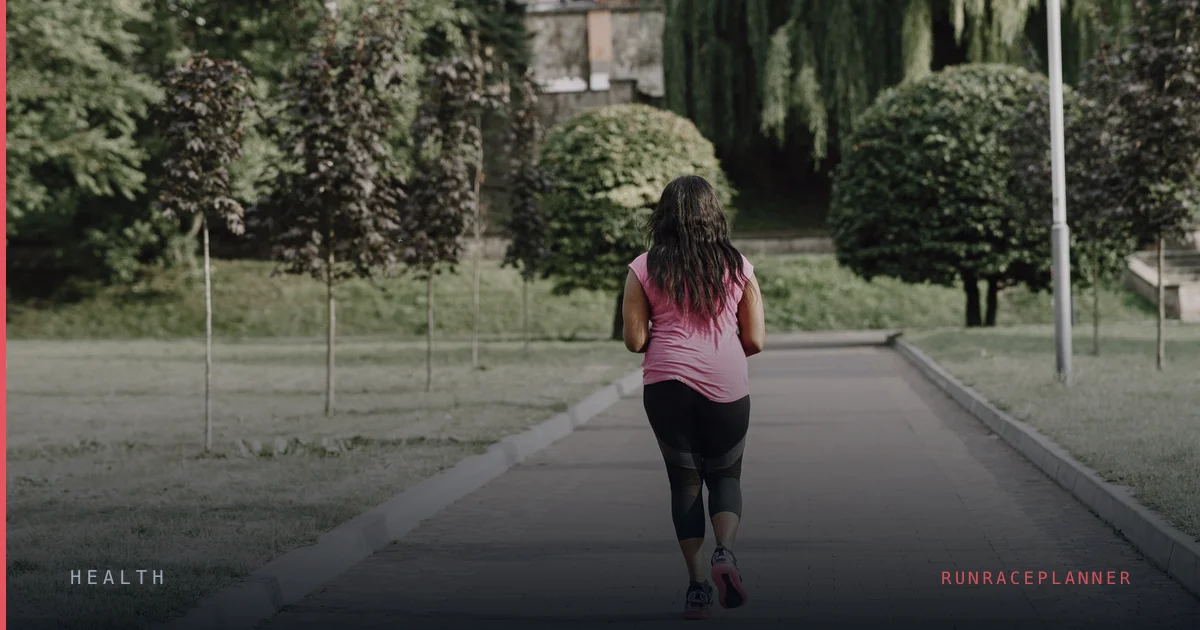
“Six weeks and you can go back to training” is a phrase almost every woman who has given birth has heard. The problem is that historically this mark meant something entirely different: the date of a routine check-up, not readiness for impact loading. Running is high-impact work, and tissues that spent months stretching and being damaged are usually not ready for it by week six.
This material is educational and does not replace medical advice. The timing and volume of loading after childbirth are determined individually, including in light of the mode of delivery and the state of the pelvic floor; if you have any concerning symptoms, consult a doctor or a pelvic floor specialist.
What has changed in the approach
The main shift of recent years is a move away from calendar-based clearance towards a step-by-step, symptom-guided return. The updated 2025 Canadian guidelines explicitly step away from the idea of a single “six-week note” towards a gradual, individual return.
A recent paper in Frontiers in Sports and Active Living (2026) points in the same direction — a guide developed together with runners themselves. The process was structured like this: first a survey of 503 postpartum runners (median age 35 years, median 10 months postpartum), then three focus groups with 17 participants, a parallel biomechanical study of loading on the pelvis, and, at the development stage, an advisory group of 7 runners who shaped the guide's content.
That's an important detail: the recommendations were assembled not only “from above” by clinicians, but also from the experience of those who have been through this return themselves.
Four stages
The guide breaks the return into four stages.
Weeks 0–6: foundation. Pelvic floor recovery and gentle strength work. No running. The task of this period is tissue healing and the return of basic control, not maintaining fitness.
Weeks 6–12: preparing for impact. Gradually adding impact activities and continuing strength work. The body is being prepared for what running will demand, but there's still no running itself.
Weeks 12–18: return to running. Gradual introduction of running — short intervals, alternating with walking, volume increasing in small steps.
Week 18 and beyond: consolidation. Building volume and intensity, returning to your usual training.
The authors' key caveat: the timings are a guide, not a schedule. Progression between stages is determined by how you get through them. Some people will need more time, and depending on recovery of the abdominal wall and pelvic floor, the path to full running may take more than a year.
What signals tell you to progress
Readiness criteria are framed in terms of the absence of symptoms and the ability to perform preparatory exercises without discomfort.
A practical test of pelvic floor function cited in the guidelines: the ability to perform 10 fast contractions in a row — with a clear sense of engagement and of full relaxation on each repetition. Not “tense up ten times,” but specifically fast and coordinated, with a clear “switched on — released.”
The logic is simple: if a muscle can't switch on and let go quickly in a calm setting, it won't cope with impact loading, where the cycle repeats about three times per second.
When to see a clinician instead of going for a run
Symptoms that mean you should stop and seek help:
- persistent pain — in the pelvis, lower back, or pubic symphysis;
- urinary leakage, especially if episodes are becoming more frequent;
- a sensation of heaviness or downward pressure in the pelvic area;
- any new symptoms that appeared specifically after you started running.
One thing worth saying plainly: incontinence while running postpartum is common, but it is not normal and not something to put up with. It is a symptom that can be treated, and treatment is usually effective.
What helps at every stage
- Strength work is not optional. It runs through all four stages rather than being added at the end.
- Sleep and nutrition determine the speed of tissue recovery more than running volume does. With breastfeeding, energy needs rise too — under-fuelling here hits both recovery and bone tissue.
- Come back through run-walk alternation. This reduces the total impact dose for the same time on your feet.
- Count progression in weeks, not sessions. Tissues remodel more slowly postpartum than you'd like.
- A pelvic floor specialist is not a last resort. Going before problems appear saves months.
Limitations
The guide's authors honestly list its weak points, and they're worth knowing. The survey was retrospective, which means it is subject to recall bias — especially among those who answered many months later. There is selection bias: women whose return went badly were more willing to respond. Attendance at the advisory group was inconsistent. The parallel biomechanical study was, for practical and ethical reasons, not conducted on postpartum participants. And most importantly: the guide itself has not yet been tested in practice — studies of its feasibility and effectiveness are still to come.
In other words, this is the best structured guide available today, not a proven protocol.
Key points
- “Six weeks” is a check-up date, not clearance for impact loading. The 2025 guidelines move away from the calendar approach.
- The 2026 guide was co-designed with runners: a survey of 503 participants, focus groups, an advisory group.
- Four stages: weeks 0–6 foundation with no running, 6–12 impact preparation, 12–18 return to running, 18+ consolidation.
- Progression is by symptoms, not by the calendar; for some women the path takes more than a year.
- Pelvic floor readiness test: 10 fast contractions with clear engagement and relaxation.
- Persistent pain, increasing urinary leakage, and a sense of downward pressure are reasons to see a clinician, not to go on your next run.
- The guide is not yet validated — it's a structured guide, not a proven protocol.
Sources: “An interdisciplinary, co-designed guide for return to running postpartum — a mixed-methods study”, Frontiers in Sports and Active Living, 2026. https://doi.org/10.3389/fspor.2026.1771882. Goom T., Donnelly G., Brockwell E. “Returning to running postnatal — guidelines for medical, health and fitness professionals managing this population”, 2019. Canadian Postpartum Movement Guidelines, 2025.