Blue-green algae cancelled the swim at Ironman Leeds: what it is and why it will happen more often
A day before the start the organisers removed the swim leg: the concentration of cyanobacteria in the lake turned out to be significantly above the threshold recommended by the UK health agency. The race became a duathlon. Here is what blooms, why it is dangerous and how to assess the water yourself.
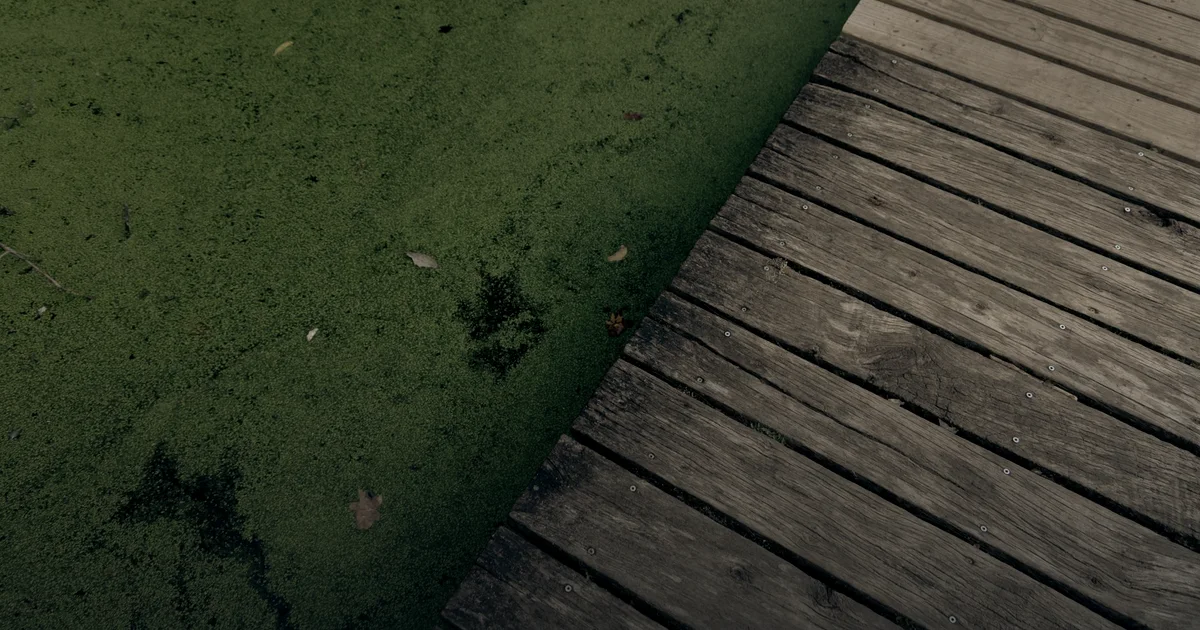
On 15 August 2026, a day before the start, the organisers of Ironman Leeds announced that there would be no swim leg. After a long spell of heat, a blue-green algae bloom had developed in Waterloo Lake, and concentrations were significantly above the threshold recommended by the UK health agency. The race on 16 August was held as a duathlon: 112 miles on the bike plus 26.2 miles of running, with a rolling start straight out of transition.
The reaction from participants was predictably angry — people had prepared for the full distance. But the decision was the only one available, and it is worth understanding why.
These are not algae
Blue-green algae is a common name and biologically wrong. These are cyanobacteria, bacteria rather than plants. Some species produce toxins.
A mass bloom needs a coincidence of conditions: warm water, weak circulation, low water level and an excess of nutrients — above all nitrogen and phosphorus, which reach the water body through fertiliser runoff and wastewater. Heat is the trigger, but not the root cause. The root cause is the nutrient load, and it does not go anywhere between heatwaves.
That is exactly why this is not an isolated story. In the same season the Bisman Triathlon in North Dakota removed its swim because of a bloom at McDowell Dam; cancellations and reschedules for this reason have been running through open water for several years now.
Why it is dangerous
The main groups of toxins:
- Microcystins — hepatotoxins, they hit the liver. The most studied and the most common class.
- Anatoxins — neurotoxins.
- Cylindrospermopsin — damages the liver and kidneys.
While swimming, all three routes of entry apply at once: skin contact, swallowing water and inhaling aerosol. Open water in a race is exactly the situation where you are guaranteed to swallow water and breathe spray for an hour.
What happens to people: rash and itching, conjunctivitis, throat irritation, nausea and diarrhoea — usually within hours of contact. Severe poisoning in healthy adults is rare, but dogs die from cyanotoxins regularly — they drink the water and lick their coat.
On thresholds: there is no single number
This is an important point that often gets garbled. The WHO states directly that no single standard for recreational water can be proposed: the contact scenarios are too varied and the balance between irritant and genuinely toxic effects differs too much.
The reference points used in practice:
- A density of 100,000 cells/ml (≈ 50 µg/L of chlorophyll a where cyanobacteria dominate) is the “moderate hazard” line for bathing sites.
- For drinking water by microcystin-LR: 1 µg/L for lifetime consumption and 12 µg/L for short-term. In recreational areas during a bloom, concentrations usually fall in the range of 4–25 µg/L.
The practical problem for organisers is that there is no rapid on-site test. The sample goes to a lab, the result comes back a day later, and within that day the bloom can double or be blown by the wind to the other end of the lake. Hence the decisions 24 hours before the start — earlier than that the data simply does not exist.
How to assess the water yourself
- Look at the surface. A bloom looks like spilled paint, a green or blue-green film, sometimes with a turquoise sheen; in bad cases the water resembles pea soup.
- Check the downwind shore. Wind drives the film to one edge — concentrations there can be several times higher than in the middle.
- Smell. Musty, earthy, sometimes frankly putrid.
- The rule is simple: if you see a film, do not go in. You cannot tell a toxic strain from a non-toxic one by eye, and the toxins remain in the water even after the cells break down.
What an athlete should do
- Do not rinse your mouth with water from the lake and do not spit it back while swallowing some — that is the main route to a dose.
- Shower with soap immediately after getting out, and rinse the wetsuit with fresh water. Toxins stay on skin and on neoprene.
- Symptoms in the first 24 hours are a reason to see a doctor, especially diarrhoea with a fever or a pronounced rash.
- Do not let your dog into the water, even if you have decided to risk it yourself.
- Have a plan B ready in advance. A duathlon over the full distance is a completely different race: without the swim you start with fresh arms and back, but also without twenty minutes of warm-up work. The bike pacing plan has to be built from scratch, and the temptation to ride away too fast on fresh legs is at its maximum here.
- Check the status of the water body before travelling to late-summer races — many municipalities publish monitoring results openly.
Key points
- On 15.08.2026 the organisers cancelled the swim at Ironman Leeds because of a cyanobacterial bloom in Waterloo Lake; the race on 16 August was held as a duathlon.
- Blue-green algae are cyanobacteria; they bloom in warm water with weak circulation and an excess of nitrogen and phosphorus.
- Heat is the trigger, but the underlying cause is the nutrient load from agricultural runoff and wastewater.
- Toxins: microcystins (liver), anatoxins (nervous system), cylindrospermopsin; routes — skin, swallowing, aerosol.
- WHO: there is no single threshold for recreational water; the working reference for moderate risk is 100,000 cells/ml (≈ 50 µg/L of chlorophyll a).
- Rapid field tests do not exist — hence decisions a day before the start.
- A visible film on the water is reason enough not to go in; after contact, shower with soap and rinse the wetsuit.
Sources: World Health Organization, «Toxic Cyanobacteria in Water: A Guide to Their Public Health Consequences, Monitoring and Management», 2nd ed. https://www.who.int/publications/i/item/9789240030732 · US EPA, «Recommendations for Cyanobacteria and Cyanotoxin Monitoring in Recreational Waters», 2019 · 220 Triathlon and TRI247, reports on the cancellation of the Ironman Leeds swim leg, August 2026