#cycling

Articles tagged: cycling

31 articles

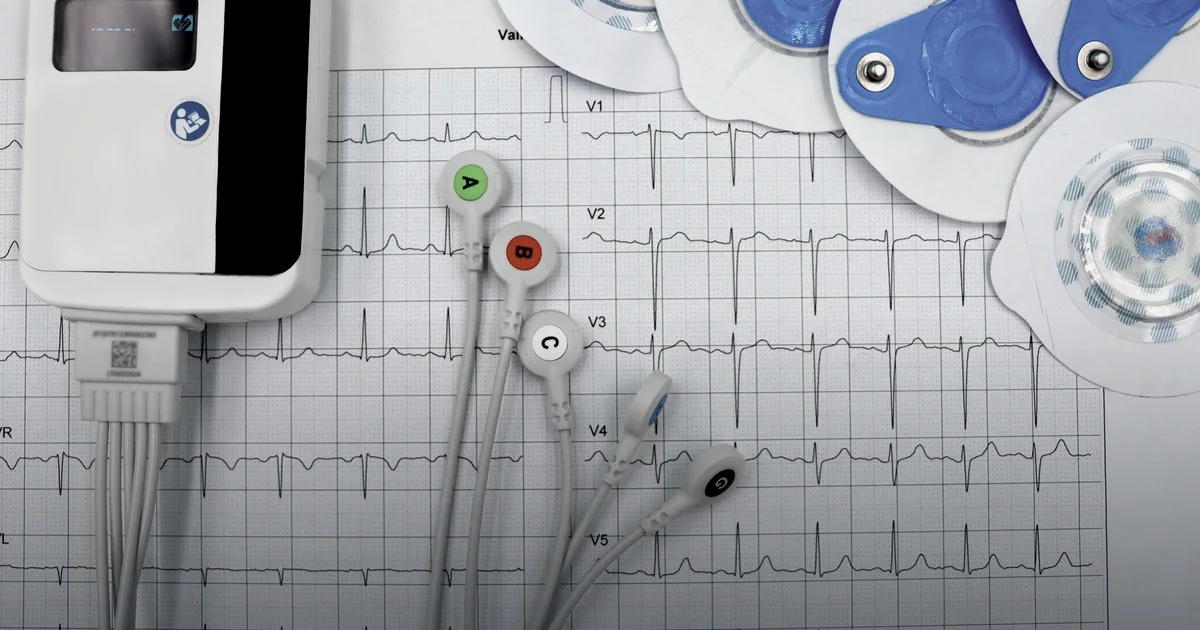
Coronary plaque in masters endurance athletes: there is more of it, but does it raise the risk?

Coronary plaque in masters endurance athletes: there is more of it, but does it raise the risk?

Kona runner-up Tim O’Donnell had a heart attack in the middle of a race. Studies from 2026 confirm that male masters athletes with high training volumes are more likely to have coronary calcium and plaque, and that hidden hypertension is associated with higher odds of finding a narrowed artery. But in a long-term follow-up of 21,758 men, a high training load did not increase mortality, even in those with a lot of calcium. We look at what this means and what to discuss with a cardiologist.

Andrey Leskovβ€’
Read more β†’
Which intervals build VOβ‚‚max best: a meta-analysis of 239 protocols

Which intervals build VOβ‚‚max best: a meta-analysis of 239 protocols

VOβ‚‚max intervals come up in every running chat, but which repeats actually keep you at your ceiling the longest? A 2026 meta-analysis pooled 86 studies and 239 protocols: work bouts of 2 minutes or more give about 1.7 times as much time above 90% VOβ‚‚max as short ones, and a β€œvariable” pace within each repeat adds even more. We look at what this means for training and where the metric falls short.

Maxim Belyaevβ€’
Read more β†’
Garmin bought Moxy: what a muscle oxygen sensor really measures β€” up to Β±20 points between legs and a threshold that repeats to within 7 watts

Garmin bought Moxy: what a muscle oxygen sensor really measures β€” up to Β±20 points between legs and a threshold that repeats to within 7 watts

Without a press release, Garmin bought Moxy β€” the longest-standing maker of muscle oxygen saturation (SmOβ‚‚) sensors β€” and back in February filed an application for the Muscle Battery trademark. We explain what SmOβ‚‚ shows, why the absolute number is noisy by 14–18 points, and how the threshold from the trend reproduces from test to test within a few watts.

Ekaterina Gromovaβ€’
Read more β†’
Maximum heart rate: β€œ220 minus age” underestimates it on average in endurance athletes β€” data from 4375 people and how to find yours

Maximum heart rate: β€œ220 minus age” underestimates it on average in endurance athletes β€” data from 4375 people and how to find yours

Stephen Seiler's group compared the real maximum heart rate of 4375 runners, cyclists and triathletes with the formulas. On average the formulas err low by nearly 5–6 beats, and for some individuals by 15–20. We look at how to determine your maximum in the field and why a lab test can miss it too.

Olga Marchenkoβ€’
Read more β†’