GLP-1 in recreational sport: 2.9% have already tried it, 78% know nothing about the risks
Semaglutide and tirzepatide have reached the running group chats. A survey of recreational athletes shows who takes them and why, and STEP-1 data show how much of the lost weight is muscle. WADA has added the drugs to its 2026 monitoring list.
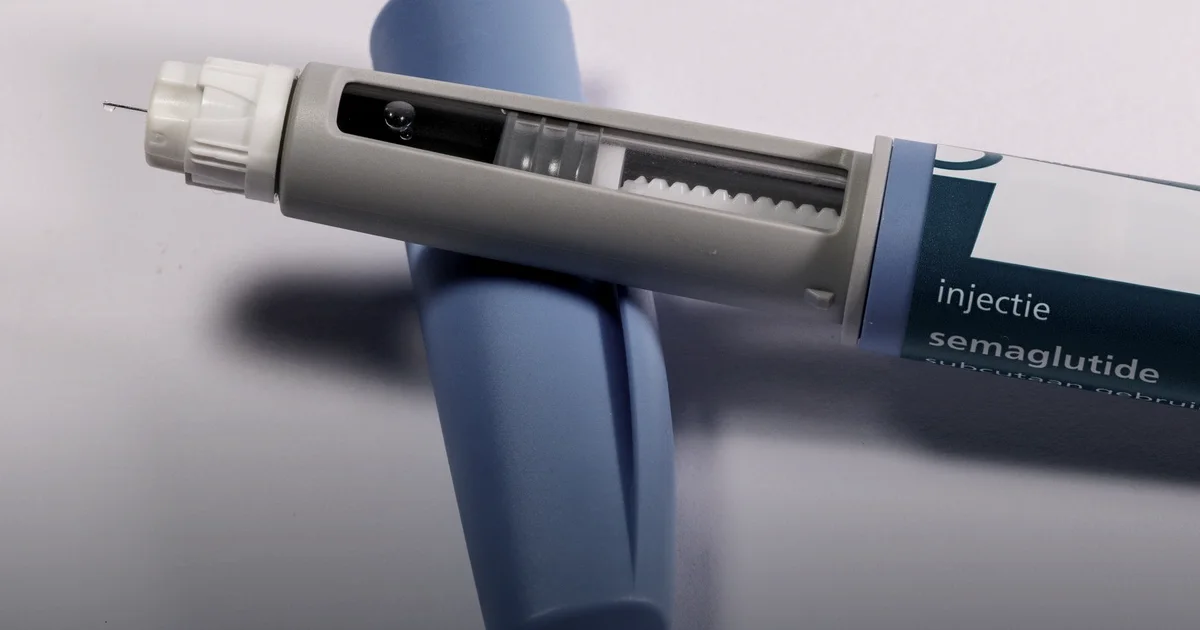
A couple of years ago semaglutide and tirzepatide were something endocrinologists talked about. Now people ask about them in running group chats — usually phrased as “dropping a couple of kilos before a race.” Race weight really does affect performance, and these drugs really do reduce body mass. Everything after that is detail, and the chats usually skip the detail.
Here is what we know as of mid-2026.
What these drugs are
Semaglutide (Ozempic, Wegovy) mimics the hormone GLP-1: it suppresses appetite, slows gastric emptying and affects blood sugar regulation. Tirzepatide (Mounjaro, Zepbound) works on two pathways at once — GIP and GLP-1. Both are approved for type 2 diabetes and obesity. Both reduce weight — substantially and reliably.
An important point about their status: GLP-1 agonists are not banned by WADA. In 2026 the agency added them to its monitoring program, which means use is tracked in and out of competition so the scale and the consequences can be understood, but there are no sanctions attached.
Who takes them in recreational sport
A British survey of exercisers and recreational athletes produced the first clear numbers:
- 57.9% of participants knew what GLP-1 agonists are
- 25.5% had considered taking them off-label — for appearance
- 2.9% had already taken them
- among those who knew about the drugs, 78.2% could not name a single associated risk
- sources: 45.5% online shops, 18.2% private sellers
Those last two figures matter more than the first ones. Almost four out of five informed people cannot name a single risk, and among those who had already used the drugs, roughly two thirds obtained a prescription-only medicine without going near a pharmacy or a doctor.
The picture from elite sport is similar. A survey of 114 physicians working with high-performance athletes across 93 sports in 38 countries (Loughborough University) found that one in ten knew of weight-loss drug use without a medical indication, and 44% thought the drugs belonged on the prohibited list.
What happens to body composition
Here is the key number for an endurance athlete. In the DXA sub-study of STEP-1 (semaglutide 2.4 mg, 68 weeks), fat mass fell by roughly 19.3% and lean mass by roughly 9.7%.
Converted into shares of the weight lost, STEP-1 and SUSTAIN-8 data put lean mass at around 39–40% of the reduction. The classic “quarter rule” — that about 25% of weight loss comes from fat-free tissue — is clearly exceeded here.
One caveat to keep in mind: these are data from people with obesity, not from trained athletes. A lean runner at 10% body fat and a STEP-1 participant start from fundamentally different places, and the percentages do not transfer directly. But the direction is clear: the drug does not take away fat alone.
Why this works badly for endurance
Not a single published study shows that semaglutide or tirzepatide makes a trained runner faster. Practically the entire large evidence base was built on people with obesity and diabetes.
The mechanisms working against you:
Loss of muscle mass. Even a moderate loss of contractile tissue hits running economy, the ability to produce force and resilience to injury. Power per kilogram may not improve at all if the kilograms disappear from both sides of the ratio.
Appetite suppression plus training volume. That is a direct route to low energy availability and RED-S, with all its consequences for hormones, bone density and immune function. An endurance athlete already lives close to that line.
Slowed gastric emptying. The drug deliberately delays the exit of food from the stomach. Fuelling on the course and carbohydrate tolerance in that situation are a separate and predictably unpleasant story.
Nausea and gut trouble. The most common side effects. In a long race that is not a cosmetic problem.
Who it may be appropriate for
For the sake of symmetry: some people are prescribed GLP-1 agonists for a genuine indication — obesity or type 2 diabetes — and also run or ride a bike. Here the drug is solving a medical problem, and training helps preserve muscle mass while the weight comes down. That is a fundamentally different situation from “leaning out for a half marathon.”
How to apply this
- Race weight and drug weight are not the same thing. What makes you faster is losing fat while keeping muscle, not lowering the number on the scale.
- Off-label use for appearance is a bad trade. There are no data on any endurance benefit; there are data on lean mass loss.
- Buying online or from private sellers is a risk of its own, on top of the drug itself: nobody guarantees the dose or the contents.
- If the drug is prescribed for a genuine indication, keep protein and strength work in the plan — they are the main tools for preserving muscle during weight loss.
- Check the status before you race if you compete under anti-doping rules: the monitoring list is not the prohibited list today, but that is exactly why it exists — to decide whether something should move across.
- A conversation about losing weight starts with a doctor, not with a group chat.
Key points
- Semaglutide and tirzepatide are not banned by WADA, but since 2026 they have been on the monitoring list.
- Survey of recreational athletes: 2.9% had already taken them, 25.5% had considered it, 78.2% of those who knew about the drugs knew of no risks, 45.5% bought online.
- Survey of 114 sports physicians from 38 countries: one in ten knows of use without an indication, 44% favour a ban.
- STEP-1: fat mass −19.3%, lean mass −9.7%; lean tissue accounts for roughly 39–40% of the weight lost.
- The data come from people with obesity — transferring them directly to trained athletes is not justified.
- There are no studies showing any gain in endurance.
- The main risks for an athlete: muscle loss, low energy availability and RED-S, slowed gastric emptying, nausea.
Sources: «Use of glucagon-like peptide 1 (GLP-1) agonists among exercisers and recreational athletes and associated mental health symptoms», Performance Enhancement & Health, 2025. https://www.sciencedirect.com/science/article/pii/S2211266925000362 · «Impact of Semaglutide on Body Composition in Adults With Overweight or Obesity: Exploratory Analysis of the STEP 1 Study», Journal of the Endocrine Society, 2021. https://academic.oup.com/jes/article/5/Supplement_1/A16/6240360 · WADA Monitoring Program 2026. https://www.wada-ama.org/en/prohibited-list